Category: Writing & Editing
-

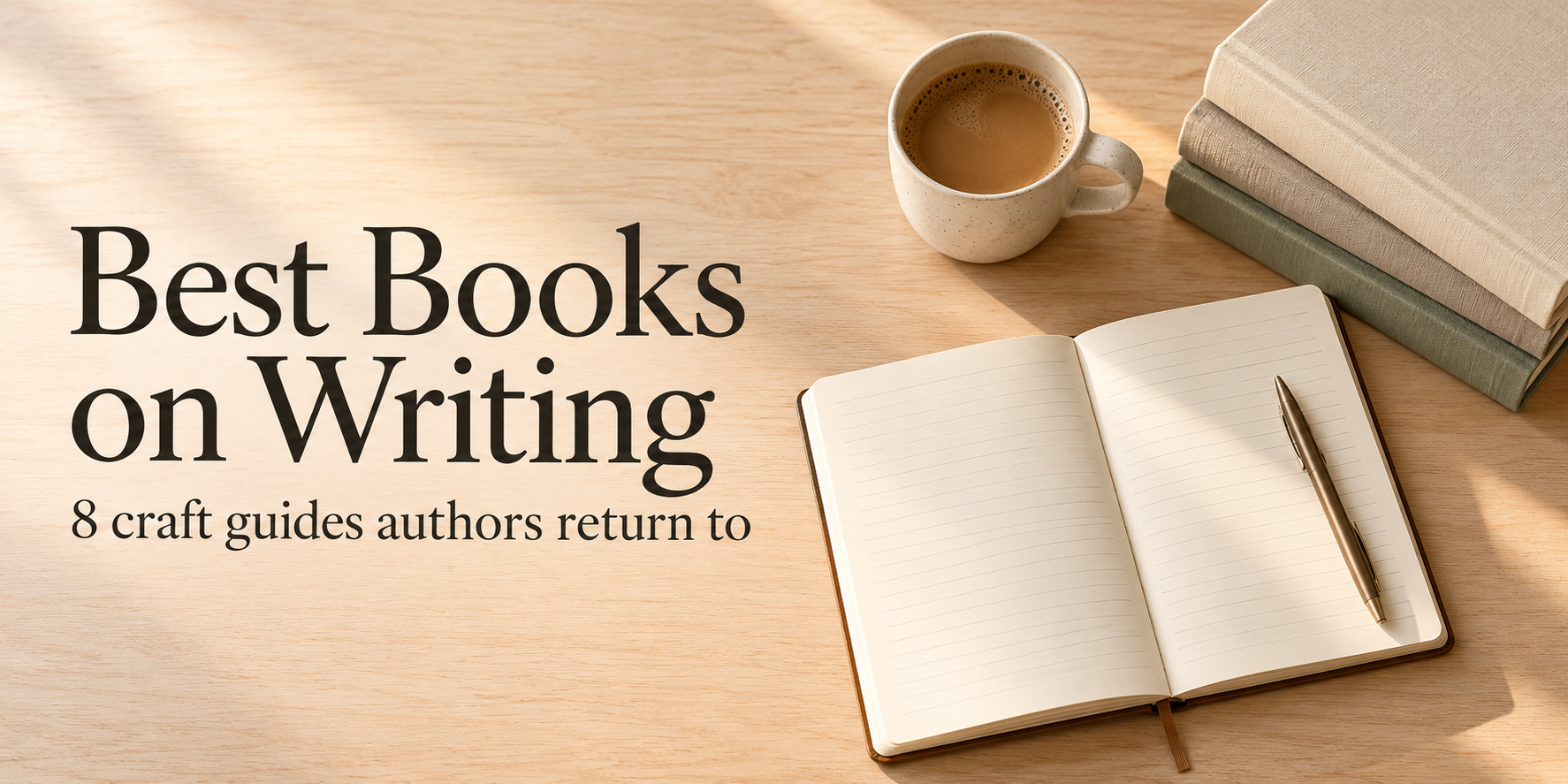
Eight writing craft books that authors reread, with who each one suits, where it falls short, and which to read first.
-

What writer’s block really is, how to diagnose your type, and 12 practical fixes matched to each cause, plus a one-week restart plan and checklist.
-
What the theme of a story really is, how it differs from topic and moral, classic examples, how genre fiction carries theme, and a theme question exercise.
-
What the setting of a story is, its five elements, backdrop vs integral settings, how to describe a place through POV, genre expectations and a sensory checklist.
-
Protagonist vs antagonist explained: clear definitions, five types of antagonist with classic examples, the mirror principle, genre differences and a worksheet.
-
Novella word count, page count and structure explained, plus how indie authors use novellas as prequels, reader magnets and series bridges.
-
Choose one theme, pick a structure and write about real people fairly: a practical guide to writing a memoir, from first idea to family or public book.
-
What an unreliable narrator is, where the term comes from, the main types with famous examples, and how to plant fair clues so your twist feels earned.
-
A seven-step method for writing a short story, built live with one worked example, plus word counts for flash fiction to novellas and how authors use short fiction.
-
Five ways to outline a novel, from a one-page skeleton to Snowflake, beat sheets, scene cards and reverse outlines, with one story outlined each way plus templates.